It usually happens at 2 AM. The world is quiet, the day's noise has finally settled, and I'm sitting at my desk with the soft glow of my monitor as the only light in the room.
I plug in my headphones, scroll through my playlist, and hit play. And just like that, the weight of everything lifts, even if just for a few minutes.
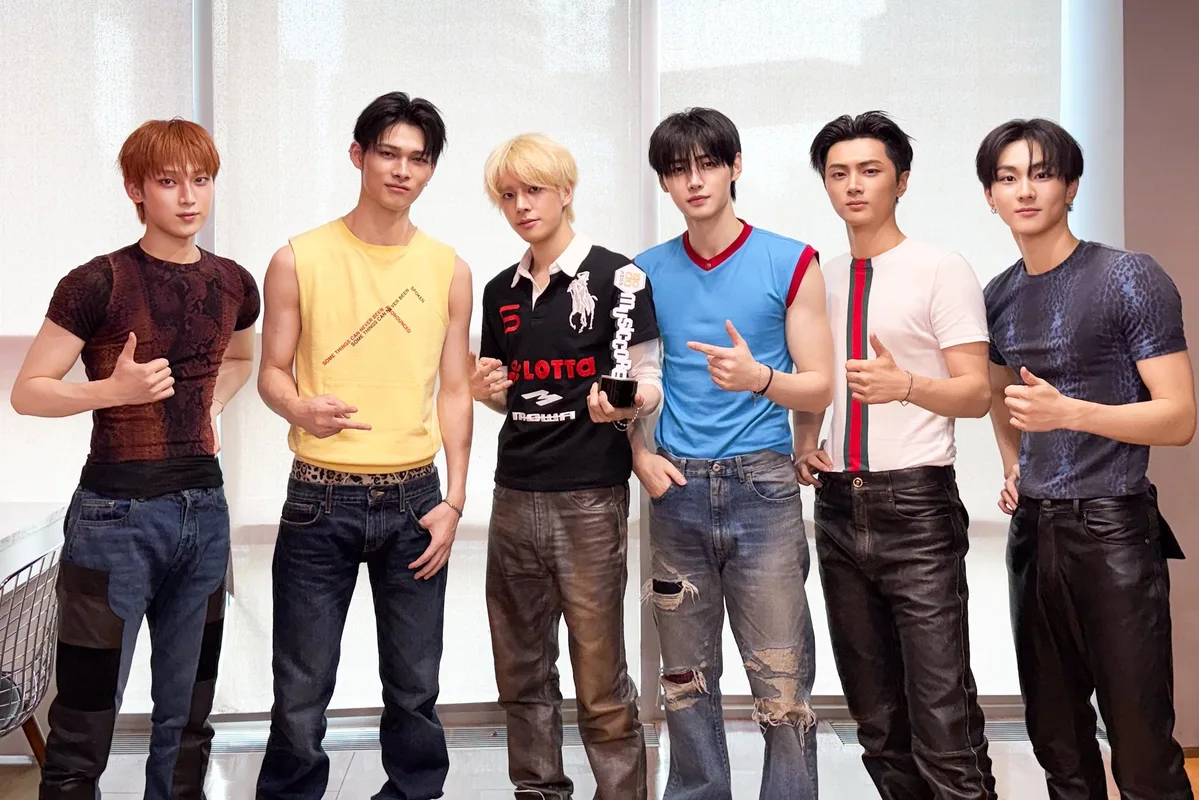
People often ask why I'm so invested in K-pop. "You don't even speak Korean," they say, or "It's just manufactured pop music." They see the bright colours, the synchronized dancing, the perfectly curated images. And sure, that's part of it. But that's not it.
The Ritual of Return
There's a specific kind of comfort in the routine of it all. The comeback announcements at midnight KST. The concept photos dropping one by one. The teaser videos that give you just enough to obsess over but not enough to know what's coming.
In a life that often feels unpredictable, these little milestones give me something to look forward to. It's a scheduled happiness. A guaranteed moment of excitement in a week that might otherwise be mundane.
I remember weeks where everything felt like it was falling apart—work stress, personal doubts, the general exhaustion of existing. But knowing that my favourite group was releasing a new album on Friday gave me a reason to push through to the weekend.
Language of Emotion
The language barrier is often the first thing critics point out, but for fans, it's rarely a hurdle. If anything, it forces you to listen differently.
When you can't immediately rely on lyrics to tell you how to feel, you pay attention to everything else. The melody, the production, the vocal delivery. You hear the sadness in a ballad before you read the translation. You feel the energy of an anthem before you know what they're shouting about.
Music, at its core, is emotional transfer. And K-pop excels at this. Whether it's the aggressive confidence of a hip-hop track or the gentle reassurance of a fan song, the intent is always clear.
A Digital Sanctuary
Then there's the community. Yes, it can be chaotic. Yes, fanwars are exhausting. But strip away the noise, and you find a massive, global network of people who are just... excited.
There's something wholesome about logging onto Twitter or Discord and seeing thousands of people freaking out over a 15-second clip of someone's new hair colour. It's a shared joy that requires nothing from you other than your enthusiasm.
For someone who spends a lot of time in their own head, having that outlet is invaluable. It's a space where you can be unironically passionate about something. You don't have to play it cool. You can scream in all caps, use a ridiculous amount of emojis, and just let yourself be happy.
The Quiet Moments
But my favourite moments aren't the loud ones. It's not the concerts or the award show wins, as amazing as those are.
It's watching a variety show clip where the members are just laughing at each other over dinner. It's a Weverse live notification popping up when I'm feeling lonely. It's the "comfort playlist" I put on when I can't sleep, filled with B-sides that feel like a warm hug.
K-pop idols are often marketed as perfect, untouchable stars. But in these moments, they feel like friends. They remind us to eat well, to dress warmly, to be kind to ourselves. It's parasocial, sure, but the warmth it generates is real.
More Than Just a Hobby
So when people ask why I care so much, I don't try to explain the intricacies of the training system or the complexity of the lore anymore.
I just tell them that it makes me happy.
In a world that demands so much of our energy, finding a source of renewable joy is a survival strategy. K-pop is my recharge station. It's the place I go to when I need to remember that it's okay to have fun, it's okay to be emotional, and it's okay to just... be.
And as I sit here at my desk, listening to that familiar melody one more time, I know I'm going to be okay.